
Aspergillus Tracheobronchitis in COVID-19: Insights into Host-Pathogen Interactions
The interplay between viral tropism, host defense, and fungal invasion contributes to Aspergillus tracheobronchitis in COVID-19 patients, highlighting the complex pathophysiology and clinical implications of opportunistic fungal infections in severe respiratory illness.
January 2022
Seasonal Variation in Testosterone Levels: Implications for Hormonal Regulation and Health Outcomes
Testosterone levels exhibit seasonal variation, with the lowest levels observed in spring and summer and significantly higher levels in autumn and winter, highlighting the influence of environmental factors on hormonal dynamics and health-related outcomes.
January 2022

Autoimmune Thyroid Disease in Women: Unraveling Sex Differences in Immune Regulation
Female predominance in autoimmune thyroid disease is attributed to sex differences in immune function and regulation, shedding light on the underlying mechanisms and informing targeted interventions and personalized treatment strategies for affected individuals.
January 2022

Future Trajectories of COVID-19: Modeling Possible Scenarios and Public Health Implications
University of Utah scientists model possible futures of COVID-19, exploring different trajectories and their implications for public health preparedness, policy-making, and disease control strategies.
January 2022
Controlling Dengue-Transmitting Mosquitoes: Assessing the Efficacy of Wolbachia-Infected Mosquito Deployments
Efficacy of Wolbachia-infected mosquito deployments for dengue control is evaluated, providing insights into novel strategies for vector management and disease prevention in endemic regions.
January 2022
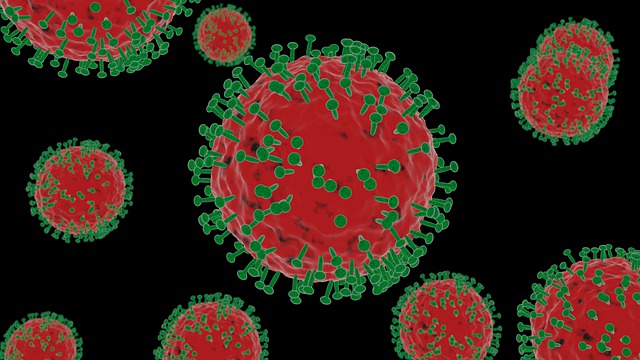
Monoclonal Antibodies Reduce Deaths in COVID-19: Insights from the RECOVERY Trial
RECOVERY Trial findings demonstrate that Regeneron's monoclonal antibody combination reduces deaths of hospitalized COVID-19 patients who have not mounted their own immune response, supporting the efficacy of monoclonal antibody therapies in improving clinical outcomes in severe COVID-19 cases.
January 2022