
Debunking Persistent COVID-19 Myths: Biases and Misinformation
Persistent COVID-19 myths and their influence on public behavior are examined, emphasizing the role of biases and false beliefs in perpetuating misinformation and the importance of science communication in addressing misconceptions.
June 2021
Gabapentinoids' Risk-Benefit Stratification: Clinical Considerations
Gabapentinoids' role in pain management necessitates a comprehensive risk-benefit assessment, considering their potential efficacy and adverse effects, to optimize therapeutic outcomes and minimize patient harm in pain management practice.
June 2021

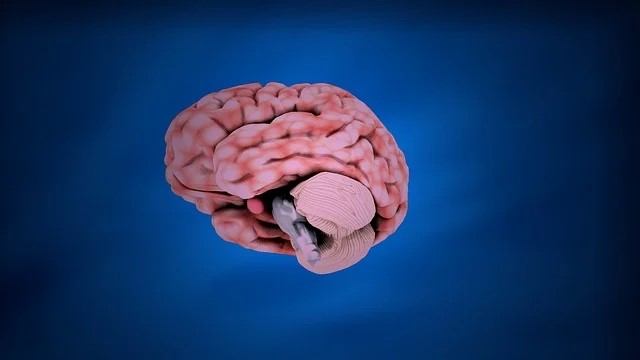
Stress and Its Implications in Affective Disorders and Other Illnesses
Implications of stress in affective disorders and other medical conditions are explored, highlighting the multifaceted impact of stress on physical and mental health outcomes and the importance of stress management interventions in clinical practice.
June 2021
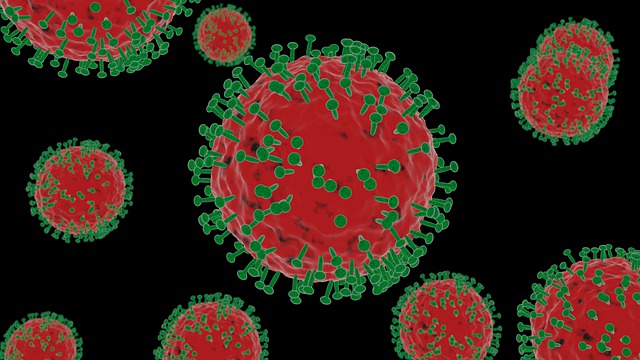
Diagnostic Criteria for Hyperinflammatory Syndrome in COVID-19 Patients
Development and validation of diagnostic criteria for hyperinflammatory syndrome in hospitalized COVID-19 patients facilitate early recognition and targeted management strategies, improving clinical outcomes and reducing disease severity in affected individuals.
June 2021

Vaccination and Invasive Cervical Cancer Risk Reduction: HPV Vaccine Benefits
HPV vaccination aims to prevent invasive cervical cancer by targeting oncogenic HPV types, highlighting its role in primary prevention efforts and reducing cancer burden through widespread vaccine coverage and immunization programs.
June 2021
Incidence of Anaplastic Large Cell Lymphoma Associated with Breast Implants
Prolonged exposure to textured breast implants is associated with an increased risk of anaplastic large cell lymphoma, underscoring the importance of surveillance and awareness in patients undergoing breast implant procedures.
June 2021


Stroke as a Complication of COVID-19 in Young Patients: Incidence and Mortality Rates
Approximately two in every 100 patients hospitalized with COVID-19 will suffer a stroke, with a significant mortality rate, highlighting the need for vigilance and prompt management of stroke risk factors in young COVID-19 patients.
June 2021

Acute Nystagmus in Pediatrics: Presentation and Emergency Management
Presentation and management strategies for acute nystagmus in pediatric emergency services are discussed, highlighting the importance of timely diagnosis and appropriate interventions in optimizing clinical outcomes for affected children.
May 2021